
DATA
World population
8.2 billion
people
- Geography
- World
- Period
- 2024
United Nations World Population Prospects 2024, medium-variant estimate for 2024.
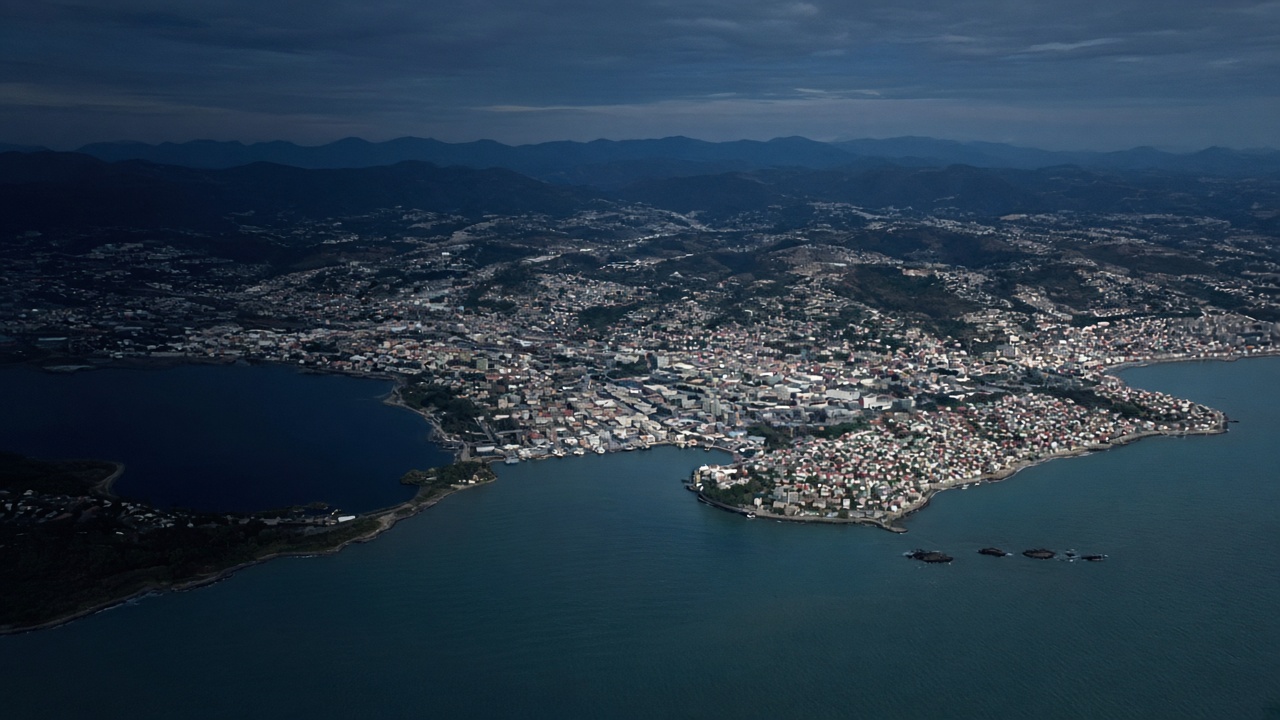
Around the World
The geographic tree starts at the world, then continent or global region, country, administrative area, metropolitan area, and city. It is not a United States-shaped database with other countries bolted on.
World population
8.2 billion
people
United Nations World Population Prospects 2024, medium-variant estimate for 2024.
Urban population
57.7%
share of world population
World Bank WDI SP.URB.TOTL.IN.ZS, based on UN World Urbanization Prospects. National definitions of urban areas differ.
People lacking adequate housing
2.8 billion
people
UN-Habitat 2024 Annual Report. 'Adequate housing' is a rights-based concept, not a single dwelling-unit count. Earlier UN-Habitat papers have used a range of 1.6–3 billion.
People in slums and informal settlements
1.1 billion
people
Included within the wider inadequate-housing estimate. Definitions of slums and informal settlements follow UN-Habitat / SDG 11.1 practice.
North America's housing debate is dominated by high prices, constrained supply in major metros, and a large rental burden among lower-income households. The United States and Canada publish comparatively rich official statistics, which makes them useful starting points without implying they represent the world.
Europe contains very different housing systems: large social-rental sectors in some countries, tight private rental markets in others, and planning regimes that strongly shape what can be built. The United Kingdom is the first European country page published here because official house-price and planning sources are current and specific.
Asia contains both the world's fastest-growing urban populations and some of the most mature, dense housing systems. Informal settlements, mega-city land markets, and state-led housing programs all matter. This region page is a framework, not a complete country census. Country pages will be added when enough sourced material exists.
Africa's housing challenge is tightly bound to rapid urbanization. UN-Habitat and related UN documents emphasize that much of the next wave of urban growth will occur in African cities, where informal settlements already house a large share of urban residents. Thin, auto-generated country pages would not serve readers. This section will grow with primary statistical sources.
Latin America and the Caribbean have long experience with informal urbanization, social housing programs, and high urban shares. OECD data also show severe rent overburden among low-income tenants in several countries in the region. Published country pages will be added as sourced dossiers are completed.
Housing in the Middle East is shaped by oil-economy labor markets, large-scale state construction in some countries, displacement, and very different tenure systems. This page exists so the site's geography is global from the start. Detailed country work comes later.
Australia and New Zealand have experienced sharp house-price growth relative to incomes over the past decade, alongside explicit national supply targets. Australia is the first published country page in this region.
More than 2.8 billion people live without adequate housing, according to UN-Habitat. That condition includes informal settlements, overcrowding, unaffordable costs, insecurity of tenure, and homelessness. The Housing Future Project treats the world as the starting unit of analysis, then moves through regions, countries, and cities.
Open the World dossier